
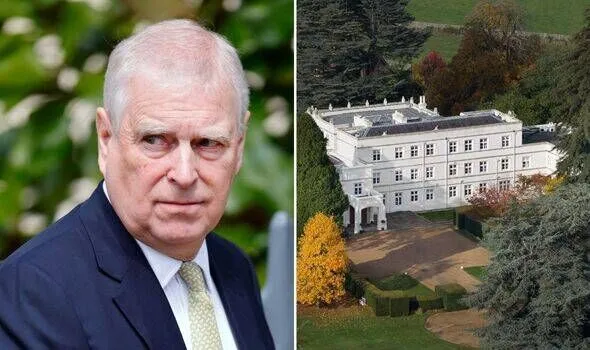

The British monarchy stands at a crossroads following King Charles III’s unprecedented decision to remove Prince Andrew from Royal Lodge. This historic Windsor estate, which has housed the Duke of York since 2004, now becomes the center of royal accountability debates. The latest royal lodge news reveals a monarchy willing to sacrifice family ties for institutional integrity, marking the most significant royal reckoning since the abdication crisis of 1936.
The Shocking Royal Lodge News: A Turning Point for Prince Andrew
King Charles III has formally stripped his younger brother of the Duke of York title and initiated eviction proceedings from the 30-room Royal Lodge mansion. The decision, announced through Buckingham Palace in October 2024, represents the first time a British monarch has taken such decisive action against a direct sibling in modern history.
The royal residence, valued at approximately £30 million, sits on 98 acres within Windsor Great Park. Prince Andrew secured a 75-year lease in 2003, paying a reported £1 million upfront with annual maintenance costs exceeding £260,000. This arrangement, once seen as favorable to the Duke, now faces termination as the Crown Estate reasserts control over the historic property.
Inside the Palace Decision: Why the King Finally Acted
The Mounting Pressure From Multiple Fronts
The decision follows sustained public criticism stemming from Andrew’s association with convicted financier Jeffrey Epstein. His 2019 BBC Newsnight interview, widely regarded as disastrous, attempted to address allegations but instead intensified scrutiny. The subsequent out-of-court settlement in 2022 with Virginia Giuffre, reportedly exceeding £12 million, further damaged both his reputation and the monarchy’s standing.
Senior palace advisors, including Sir Clive Alderton, the King’s private secretary, reportedly spent months evaluating options. The palace faced a fundamental choice: continue shielding Andrew at the cost of public trust, or demonstrate accountability regardless of family bonds. Recent polling by YouGov showed 83% of Britons believe Andrew should permanently step back from public life, providing clear mandate for action.
Constitutional and Reputational Calculations
King Charles inherited a monarchy already facing relevance questions in the 21st century. Commonwealth nations, particularly in the Caribbean, actively debate their relationship with the crown. Australia’s republican movement has gained renewed momentum. Against this backdrop, protecting a controversial prince became untenable when weighed against institutional survival.
The monarch consulted extensively with Prince William, who reportedly supported firm action. As heir to the throne, William’s generation views royal accountability differently than previous ones, prioritizing transparency over tradition. This generational shift influenced the final decision significantly.
Prince Andrew Loses His Royal Titles: What It Really Means
The formal removal process strips Andrew of multiple honors accumulated over six decades. Beyond the Duke of York title, he loses His Royal Highness styling in any official capacity. His military affiliations, including Colonel of the Grenadier Guards, have been returned to the Queen before her passing and redistributed among working royals.
Most significantly, Andrew’s membership in the Order of the Garter, Britain’s oldest and most prestigious chivalric order, faces potential removal. This requires approval from the Order’s knights, including senior royals and former prime ministers. Historical precedent exists: Emperor Hirohito and King Victor Emmanuel III were removed during wartime, though peacetime removal remains extraordinarily rare.
Life After the Crown: Andrew Mountbatten Windsor’s New Reality
Financial Realities of Royal Exile
Without his £249,000 annual Sovereign Grant allocation, Andrew faces unprecedented financial pressure. His naval pension provides approximately £20,000 yearly, insufficient for maintaining his previous lifestyle. The civil settlement depleted much of his estimated £5 million personal wealth, according to financial analysts tracking royal assets.
His private security costs alone exceed £3 million annually, previously covered by taxpayers through Metropolitan Police royal protection. This privilege ended in 2022, forcing Andrew to privately fund security through funds reportedly provided by the late Queen Elizabeth II. With Charles now controlling family finances, this support appears uncertain.
The Psychological Impact of Identity Loss
Royal commentator Robert Jobson notes that Andrew’s entire identity centered on royal status. Unlike Prince Harry, who voluntarily stepped back while retaining some privileges, Andrew faces forced removal from the only world he’s known. Friends describe him as “deeply depressed” and “struggling with purpose” according to sources close to Frogmore.
The social isolation proves particularly harsh. Former confidants distance themselves, invitations to society events cease, and even charity patronages quietly sever ties. His golf club membership at Royal Portrush reportedly faced member complaints, illustrating how thoroughly his social standing has collapsed.
Royal Statement in Full: The King’s Words That Changed Everything
The Buckingham Palace statement, released at 18:00 GMT on October 13, 2024, carried unprecedented clarity: “With The King’s approval and agreement, The Duke of York’s military affiliations and Royal patronages have been returned to The Queen. The Duke of York will continue not to undertake any public duties and is defending this case as a private citizen.”
A subsequent statement added: “His Majesty has initiated formal proceedings regarding the Royal Lodge residency. The Crown Estate will resume management of the property in accordance with established protocols. This decision reflects the monarchy’s commitment to accountability and public service values.”
The direct language marked a departure from traditional royal communication, which typically employs euphemistic phrasing. Constitutional experts note this transparency aligns with Charles’s stated vision for a “slimmed-down monarchy” focused on working royals serving public interests.
The Future of Royal Lodge: Who Might Take Over Next
Historical Significance of the Property
Royal Lodge’s history dates to 1662, when it served as a residence for the Ranger of Windsor Great Park. King George IV substantially renovated it in the 1820s. Queen Elizabeth, the Queen Mother, lived there from 1952 until 2002, transforming it into one of Windsor’s most gracious residences with extensive gardens she personally designed.
The property’s 30 rooms include a drawing room measuring 50 feet, a library, private cinema, and staff quarters. The gardens feature rare rhododendrons and a Gothic chapel. Heritage England lists it as Grade II, requiring any modifications to respect its historical character.
Practical Considerations for Future Use
| Option | Advantages | Challenges | Likelihood |
| Prince William | Proximity to Windsor Castle; appropriate status | Already settled at Adelaide Cottage | Medium |
| Guest Residence | Neutral use; diplomatic functions | High maintenance costs | High |
| National Trust | Public access; heritage preservation | Security complications near Windsor Castle | Low |
| Princess Anne | Senior royal deserving of property | Content at Gatcombe Park; age considerations | Low |
| Commercial Lease | Revenue generation | Inappropriate for crown property | Very Low |
Property expert Robin Edwards of Savills estate agency suggests the most likely outcome involves conversion to an official guest residence for state visitors, similar to Wood Farm on the Sandringham Estate.
Public and Political Reactions: A Nation Divided on Andrew’s Fate
British polling reveals complex public opinion. While 83% support Andrew stepping back from duties, only 61% support complete title removal. Age demographics show stark divisions: 92% of 18-34 year-olds support firm action versus 67% of those over 65, suggesting generational attitudes toward monarchy evolve rapidly.
Political responses transcend party lines. Labour’s Lisa Nandy stated the decision “sends a powerful message that no one is above accountability.” Conservative Kemi Badenoch called it “appropriate given the circumstances.” Liberal Democrat leader Ed Davey noted “the monarchy must reflect contemporary values of justice and equality.”
Rachel Caesar: Central Cee’s Mom & the Power Behind His Fame
Epstein Scandal Shadows Return: Pressure Mounts in the U.S.
Renewed American Interest and Legal Questions
The unsealing of court documents in January 2024 reignited American media attention. These files, related to Ghislaine Maxwell’s trial, mentioned Andrew multiple times though containing no new allegations. American networks, particularly CNN and NBC, provided extensive coverage questioning whether British authorities adequately investigated.
U.S. Congressman Suhas Subramanyam wrote to the FBI urging cooperation with any British inquiries. He stated, “Truth serves justice better than silence, regardless of titles or privilege.” This reflects broader American sentiment that wealth and status shouldn’t shield individuals from accountability.
Cross-Atlantic Differences in Legal Approach
Britain’s libel laws make public allegations risky, contributing to media restraint compared to American coverage. The out-of-court settlement, while legally resolving civil claims, left many Americans unsatisfied. Legal expert Mark Stephens notes that U.S. justice culture emphasizes public accountability while British law prioritizes privacy and presumption of innocence even after settlements.
Fergie, Beatrice, and Eugenie: Can the Yorks Escape the Fallout?
Sarah Ferguson, Duchess of York, despite divorcing Andrew in 1996, has remained his staunchest defender. She lived at Royal Lodge while maintaining her own career and public profile. Her future accommodation remains uncertain, though she maintains her Duchess title and could theoretically remain in royal circles independently.
Princess Beatrice and Princess Eugenie face particularly difficult positions. Both hold Princess titles by birth, which cannot be removed without the Act of Parliament. However, they’re not working royals and receive no public funding. Beatrice works for Afiniti, a technology company, while Eugenie serves as director at Hauser & Wirth art gallery.
Both sisters have increased philanthropic activities, with Beatrice focusing on dyslexia awareness and Eugenie on anti-slavery initiatives. Royal experts suggest they’re strategically building independent reputations to survive their father’s scandal by demonstrating personal merit beyond family association.
Possible Move to Sandringham: What Awaits Andrew There
The Norfolk Sanctuary
Sandringham Estate, covering 20,000 acres in Norfolk, has served as a royal retreat since 1862. The estate includes numerous properties beyond the main house, including Wood Farm where Prince Philip spent his retirement. Andrew’s likely accommodation, a five-bedroom cottage, offers privacy but represents a dramatic downgrade from Royal Lodge’s grandeur.
The Norfolk location provides a crucial distance from London’s media concentration. Local population density remains low, and residents traditionally respect royal privacy. However, Andrew’s presence has generated mixed local reactions. A Norfolk resident told the Eastern Daily Press, “If he’s done nothing wrong, he shouldn’t hide, but we’d prefer our corner of England remain peaceful.”
Life Under Supervision
Unlike Frogmore Cottage or other crown properties, Sandringham remains the King’s private property, purchased by Queen Victoria in 1862 and passed through royal wills rather than Crown Estate. This arrangement gives Charles complete control over Andrew’s residence terms, effectively placing him under familial supervision without formal legal structures.
The Royal Finances Unveiled: How the King Funds His Family
Understanding the Complex Financial Web
Royal finances operate through multiple channels that often confuse outsiders. The Sovereign Grant, funded by 25% of Crown Estate profits, covers official duties and property maintenance. In 2023-24, this totaled £86.3 million. However, this funds only working royals performing official duties.
Private royal wealth remains separate. King Charles inherited the Duchy of Lancaster, generating approximately £24 million annually. He also inherited Queen Elizabeth II’s personal wealth, estimated at £370 million, though much passed to Prince William to avoid inheritance tax.
Royal Lodge Financial Breakdown:
- Original 75-year lease signed: 2003
- Upfront payment: £1 million
- Annual rent: £260,000 (reduced rate for maintenance obligations)
- Maintenance costs: £400,000+ annually
- Total Andrew investment: Estimated £8-10 million in renovations
- Current property value: £30 million
- Lease early termination penalties: Unknown, likely negotiated privately
The Transparency Push
Charles has committed to publishing more detailed financial accounts following criticism of opacity. Recent Sovereign Grant reports now include breakdowns of individual royal household costs, helicopter usage, and travel expenses. This transparency effort aims to justify public funding to increasingly skeptical taxpayers who see little value in supporting non-working royals.
What Comes Next for the Duke Who Isn’t a Prince Anymore
Andrew’s future options appear limited. At 64, starting a conventional career seems implausible. His business ventures, including years as UK trade envoy, ended amid controversies over his relationships with questionable figures like Timur Kulibayev and Jeffrey Epstein.
Some royal watchers speculate he might eventually relocate abroad, perhaps to Switzerland where his ex-wife Sarah Ferguson maintains connections, or to the Middle East where his trade envoy role created relationships. However, leaving Britain would effectively confirm exile status and abandon any hope of rehabilitation.
His daughters represent his primary emotional support system. Both Beatrice and Eugenie maintain relationships with both parents while carefully managing their own public images. They’ve notably avoided commenting publicly on their father’s situation, following palace guidance to let official statements speak for the family.
Conclusion
The royal lodge news transcends a single property dispute or family drama. It represents the British monarchy’s struggle to survive in an age demanding accountability, transparency, and relevance. King Charles III’s decision to strip his brother of titles and residence demonstrates that institutional preservation now outweighs familial loyalty, a calculation previous monarchs avoided making.
This watershed moment may determine whether the monarchy survives the 21st century. Younger generations, particularly in Commonwealth nations, increasingly question hereditary privilege. Charles’s firm action against Andrew shows the institution can evolve, punish wrongdoing, and prioritize public trust over protecting problematic members. Whether this suffices to ensure the monarchy’s future remains uncertain, but inaction would have guaranteed decline. The King has chosen a difficult path, betting that short-term family pain serves long-term institutional survival. History will judge whether this gamble succeeds in preserving the crown for future generations.
FAQs
Q1: Why was Prince Andrew evicted from Royal Lodge?
King Charles III removed Andrew following sustained public criticism over his association with Jeffrey Epstein and the subsequent out-of-court settlement with Virginia Giuffre, which damaged the monarchy’s reputation.
Q2: What titles did Prince Andrew lose?
He lost the Duke of York title, His Royal Highness styling in official capacity, military affiliations, and faced potential removal from the Order of the Garter.
Q3: Where will Prince Andrew live now?
He is relocating to a five-bedroom cottage on the Sandringham Estate in Norfolk, owned privately by King Charles III.
Q4: Who will move into Royal Lodge next?
No official decision has been announced. Most likely, the property will become an official guest residence for state visitors rather than housing another royal family member.
Q5: How much did Prince Andrew pay for Royal Lodge?
He paid £1 million upfront in 2003 for a 75-year lease, plus £260,000 annual rent and invested an estimated £8-10 million in renovations.
Q6: Can Princess Beatrice and Eugenie keep their titles?
Yes, both retain their Princess titles as they were born into the Royal Family. Removing these would require an Act of Parliament.
Q7: What is Andrew Mountbatten Windsor doing now?
He lives as a private citizen without official duties, royal patronages, or public role, reportedly struggling with depression and social isolation.
Q8: Will Prince Andrew face further legal action?
While he settled the civil case, U.S. lawmakers continued urging cooperation with investigations, though no criminal charges have been filed in either Britain or America.