
Introduction
Gyaru fashion represents one of Japan’s most rebellious youth movements that transformed beauty standards and self expression in the 1990s. This bold street style emerged as a direct challenge to traditional Japanese aesthetics, embracing tanned skin, dramatic makeup, and unapologetically feminine clothing. Unlike subtle minimalism, this movement celebrated visibility, confidence, and Western-inspired glamour that shocked conservative society.
For international fashion enthusiasts, understanding this subculture reveals how young women used clothing as powerful social commentary. The movement’s influence extends far beyond Japan, shaping global street fashion trends, makeup trends, and youth identity expression that continues today.
The Roots of Gyaru Fashion: Where It All Began
The term “gal” originated from English slang, transliterated into Japanese through 1970s advertising campaigns. The iconic Wrangler jeans commercial featuring “Levi’s for Gals” sparked mainstream interest among Japanese teenagers seeking American-style freedom and confidence. This marketing moment planted seeds for a cultural revolution that would define youth fashion for decades.
Early influences came from unexpected sources including biker gang aesthetics and Chiima spending culture. These groups valued bold self presentation and material expression, attitudes that young women adopted and transformed into their own identity statement. Fashion became performance art rather than simple clothing choices.
The Evolution Through Japanese History
The 1990s Street Style Explosion
Japan’s economic bubble burst triggered social changes that freed youth expression. Shibuya district emerged as the epicenter where high school girls experimented with shortened uniforms, loose socks, and bleached hair. This kogyaru style marked the movement’s transition from underground trend to mainstream phenomenon that dominated teen culture.
The Extreme Era: Ganguro and Manba
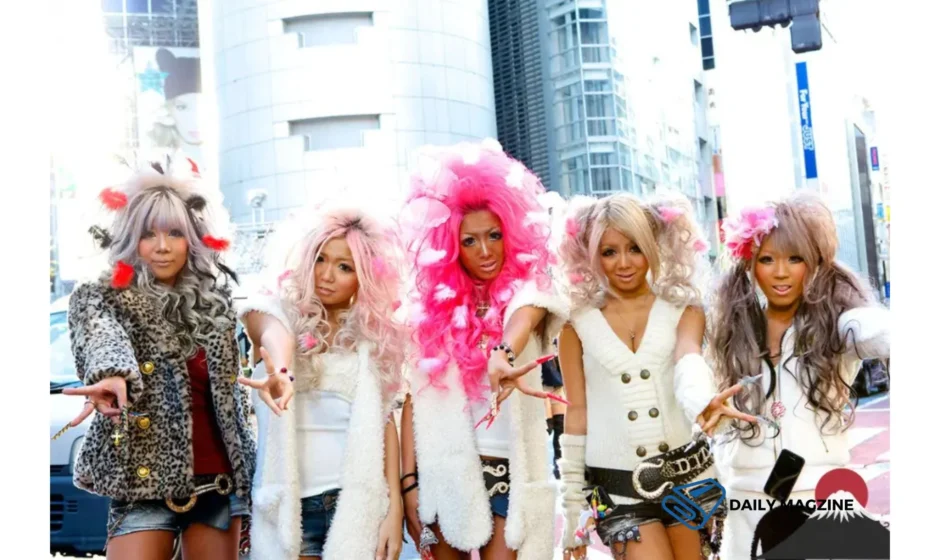
By the late 1990s, styles pushed boundaries further. Ganguro practitioners achieved deep artificial tans, bleached their hair white-blonde, and applied dramatic makeup that inverted traditional beauty ideals. Manba took extremes further with neon colors, face stickers, and tribal-inspired aesthetics. These substyles represented peak rebellion, though their intensity eventually contributed to mainstream decline.
The Philosophy Behind the Movement
This subculture never simply followed trends. It actively challenged societal expectations. Traditional Japanese beauty standards emphasized pale skin, modest behavior, and quiet femininity. Young women rejected these constraints, choosing visibility over invisibility and pleasure over propriety.
The philosophy centered on personal agency and joy through self-expression. Participants refused shame about enjoying fashion, makeup, and material culture. For many, this lifestyle provided empowerment when other voices felt restricted. Clothing became communication, style became identity.
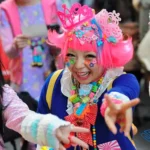
Decora Fashion: Unleash Bold Janpanese Harajuku Style
Iconic Fashion Elements That Defined a Generation
Essential Clothing Components
The silhouette prioritized figure-flattering pieces that celebrated femininity without apology. Mini skirts, crop tops, and fitted dresses created dramatic proportions enhanced by platform footwear. Animal prints, metallic fabrics, and luxury brand accessories completed the glamorous aesthetic.
Key Fashion Elements:
- Platform Shoes: Added height and presence, typically 3-5 inches
- Mini Skirts & Dresses: Emphasized legs and youthful energy
- Branded Accessories: Designer bags and jewelry signaled status
- Animal Prints: Leopard and zebra patterns for bold statements
- Crop Tops: Showcased confidence in body presentation
- Layered Jewelry: Multiple necklaces, bracelets, and rings
Signature Footwear and Accessories
Platform shoes became synonymous with the style, ranging from sneakers to boots to sandals. Alba Rosa, d.i.a., and other Japanese brands created specific designs catering to this market. Accessories included decorative phone charms, oversized sunglasses, and designer handbags that completed the luxurious image.
Makeup, Hair, and Aesthetics: The Signature Look
Makeup Techniques
The makeup approach created doll-like features through strategic enhancement. Dramatic eye makeup techniques using false eyelashes, often layered in multiple strips, enlarged eyes dramatically. Dark eyeliner rimmed both upper and lower lids while white or pink eyeshadow brightened the inner corners. Contouring created dimension on tanned skin, and glossy lips completed the fresh-faced appearance.
Essential Makeup Components:
| Element | Purpose | Technique |
| False Lashes | Eye enlargement | Layered strips, lower lashes emphasized |
| Dark Eyeliner | Definition and drama | Heavy application on waterline |
| White Eyeshadow | Brightness and youth | Inner corners and brow bone highlight |
| Bronzer/Tan | Western beauty ideal | Deep artificial tan maintenance |
| Glossy Lips | Fresh, youthful look | Pink or nude shades with shine |
| Face Contour | Dimension on tan skin | Strategic shadowing and highlighting |
Hair Styling Philosophy
Hair required significant maintenance and creativity. Most practitioners bleached their hair to light blonde or brown shades, then styled it into voluminous teased arrangements. Extensions added length and fullness. Some styles incorporated braids, buns, or elaborate updos decorated with accessories like flowers, bows, or ribbons.
Different Substyles Within the Movement
Ganguro and Yamamba
These extreme styles pushed tanning to the darkest levels while bleaching hair to platinum. White makeup around eyes and lips created stark contrast. Yamamba (mountain witch) added tribal elements and neon accessories, representing the most rebellious expression of the aesthetic.
Hime and Oneegyaru
Softer interpretations emerged for those seeking elegance within the framework. Hime (princess) style incorporated vintage European influences with elaborate dresses, curled hair, and romantic accessories. One (older sister) style represented maturity with sophisticated clothing choices and refined makeup application.
Regional Variations
Different Japanese cities developed unique characteristics. Osaka’s style leaned more casual and playful, while Tokyo maintained a high fashion consciousness. These regional differences added diversity to the overall movement without losing core philosophy.
The Role of Media and Magazines
Influential Publications
Magazines served as both documentation and instruction manuals for the lifestyle. Egg magazine became the movement’s bible, featuring street snaps, makeup tutorials, and model interviews. Popteen targeted younger audiences with accessible styling advice. Ageha catered to nightlife oriented practitioners with more mature content.
Major Gyaru Magazines:
- Egg: Street fashion authority and trend creator
- Popteen: Teen-focused with pop idol influence
- Ageha: Nightlife and hostess fashion emphasis
- Ranzuki: Casual daily wear inspiration
- Nut: Alternative substyle coverage
Shopping Districts and Retail Culture
Shibuya’s 109 building became a pilgrimage site for enthusiasts. This multi-floor shopping complex housed brands specifically catering to the aesthetic. Sales staff often dressed in current styles, making shopping an immersive cultural experience. Other districts like Harajuku and Shinjuku developed their own retail ecosystems supporting various substyles.
Challenging Traditional Beauty Standards
The Tan Controversy
Perhaps nothing symbolized rebellion more than artificial tanning. For centuries, Japanese culture associated pale skin with nobility and beauty. Deliberately darkening skin through tanning beds and products directly challenged this foundational belief. The controversy sparked media debates about Westernization, youth rebellion, and changing beauty ideals.
Feminine Expression Reimagined
The movement reclaimed an overtly feminine presentation on participants’ own terms. Rather than dressing for male approval or societal expectations, practitioners dressed for personal satisfaction and peer community. This distinction transformed “feminine” from passive to active, from obligatory to chosen.
Global Influence Beyond Japan
International Adoption
Internet culture spread the aesthetic worldwide throughout the 2000s. Western communities discovered Japanese street fashion through online forums, early social media, and anime conventions. Makeup enthusiasts particularly embraced dramatic eyelash techniques and contouring methods that later influenced mainstream beauty trends.
Musical and Dance Culture Connections
Eurobeat music and its associated parapara dance style became inseparable from the movement. High energy electronic tracks from Italy found unexpected popularity in Japanese clubs where dancers performed synchronized hand choreography. This musical connection helped export cultural elements internationally through nightlife scenes.
Cultural Export Channels:
- Online forums and early social media platforms
- Anime and manga featuring characters in similar styles
- J-pop music videos and idol culture
- International cosplay communities
- YouTube makeup tutorials and hauls
- Fashion blogs documenting Japanese street style
Lasting Impact on Global Fashion
Elements once considered extreme now appear in mainstream fashion. Dramatic false eyelashes became beauty industry standards. Platform shoes cycle regularly through trend rotations. The confidence centered philosophy influenced body positivity movements and personal style authenticity that defines current fashion discourse.
Modern Status: Evolution and Decline
The Decline Period
Multiple factors contributed to reduced visibility after 2010. Economic recession limited spending on elaborate styling. Social media aesthetics shifted toward minimalism and natural beauty. New youth movements like normcore and Korean beauty trends captured attention. Many iconic magazines ceased publication or shifted focus.
Contemporary Communities
Despite mainstream decline, dedicated communities maintain the spirit. Online spaces preserve styling knowledge and slang vocabulary. Some circles in Tokyo continue meeting regularly, particularly those focused on nostalgic revival. Black Diamond represents one of the few active groups still organizing events and maintaining visibility.
Current Gyaru Fashion Presence:
- Small dedicated circles in major Japanese cities
- Online communities on Instagram and TikTok
- Nostalgic revival events and meetups
- Vintage fashion enthusiasts incorporating elements
- International practitioners keeping traditions alive
- Museum exhibitions documenting the cultural movement
Why This Culture Still Matters
Fashion as Identity Statement
The movement demonstrated how marginalized groups use style for voice and visibility. Young women created an entire subculture challenging powerful social norms through accessible means. This lesson resonates with contemporary movements using fashion for social commentary and personal empowerment.
Joy and Pleasure in Self-Expression
At its core, the philosophy celebrated enjoying aesthetics without shame. Participants refused to apologize for loving fashion, makeup, and material culture. This unapologetic pleasure-seeking challenged both traditional modesty and emerging millennial minimalism, offering alternative paths for finding meaning through personal expression.
The legacy lives on in how people approach style as personal choice rather than social obligation. Gyaru fashion proved that rebellion doesn’t require politics, sometimes refusing to be invisible is revolution enough. For those studying youth culture, fashion history, or Japanese society, this movement offers essential lessons about identity, resistance, and the transformative power of choosing how you present yourself to the world.
Conclusion
Gyaru fashion remains one of Japan’s most significant cultural movements, demonstrating how youth subcultures challenge societal norms through personal style. What began as teenage rebellion in 1990s Shibuya evolved into a comprehensive lifestyle that redefined beauty standards, feminine expression, and cultural identity. The movement’s emphasis on confidence, visibility, and unapologetic self-presentation created lasting impact far beyond clothing choices. It proved that marginalized voices could claim space and demand recognition through accessible means like fashion and makeup.
Today’s fashion landscape owes considerable debt to this bold aesthetic rebellion. Modern trends in dramatic makeup, body positivity, and personal style authenticity trace roots back to principles established by young Japanese women who refused invisibility. While mainstream popularity has faded, the cultural legacy persists in how individuals approach self expression as personal right rather than social obligation. For anyone interested in fashion history, youth culture, or identity politics, understanding gyaru fashion provides essential context for contemporary style movements and the ongoing conversation about who controls beauty standards in society.
FAQs
Q1: What is gyaru fashion?
Gyaru fashion is a Japanese street style from the 1990s that challenged traditional beauty standards through tanned skin, dramatic makeup, bleached hair, and bold feminine clothing. It represents youth rebellion and self-expression.
Q2: Where did gyaru fashion originate?
Gyaru fashion originated in Japan during the 1990s, primarily in Tokyo’s Shibuya district. The movement was influenced by Western advertising and youth desire for freedom from conservative social expectations.
Q3: What are the main types of gyaru styles?
The main substyles include Ganguro (extreme tan and contrast), Manba (neon colors and tribal elements), Hime (princess-style elegance), and Onee (sophisticated mature look). Each represents different expression levels.
Q4: Is gyaru fashion still popular in Japan?
Gyaru fashion declined in mainstream popularity after 2010 but maintains dedicated communities. Small circles in Tokyo and online groups continue preserving the culture, with occasional revival events and nostalgic interest.
Q5: What makeup techniques define gyaru style?
Key techniques include layered false eyelashes, heavy dark eyeliner, white eyeshadow in inner corners, artificial tanning, face contouring, and glossy lips. The goal is creating a doll-like, enlarged eye appearance.
Q6: Why did gyaru fashion challenge Japanese culture?
It challenged traditional values by embracing tanned skin (opposite of prized pale skin), loud self-expression (versus modesty), and Western beauty ideals. This direct rebellion shocked conservative society.
Q7: What magazines popularized gyaru fashion?
Egg magazine was the most influential, along with Popteen, Ageha, Ranzuki, and Nut. These publications provided styling guides, street snaps, and created fashion icons that defined the movement.
Q8: How did gyaru fashion influence global trends?
It influenced international makeup trends (dramatic lashes, contouring), platform shoe popularity, confidence-based styling philosophy, and inspired alternative fashion communities worldwide through internet culture and social media.