
Introduction
The world of Decora fashion is a vibrant celebration of color, creativity, and self-expression. Born in the streets of Harajuku, Tokyo, this youth subculture movement transformed Japanese street style into a global phenomenon. With its signature layered clothing, neon accessories, and playful aesthetic, Decora represents more than just fashion. It’s a statement of individuality and rebellion against conformity.
From Takeshita Street to Instagram feeds worldwide, this colorful movement has captivated fashion enthusiasts across generations. Let’s explore how this style emerged, evolved, and continues to inspire creative expression today.
How Decora Fashion Emerged in Tokyo’s Youth Scene
In the late 1990s, Harajuku became the birthplace of a revolutionary style movement. Teenagers seeking to escape rigid social expectations created what we now know as Decora kei. Influenced by pop icons like Tomoe Shinohara, young people began experimenting with bold combinations of colors, patterns, and accessories that defied traditional fashion norms.
The founding of 6%DOKIDOKI boutique by Sebastian Masuda marked a turning point. This iconic shop transformed Takeshita Street into a technicolor paradise where maximalist aesthetics met kawaii culture. FRUiTS magazine, curated by photographer Shoichi Aoki, documented these street style pioneers, spreading their influence beyond Japan’s borders. The magazine became a visual archive of how layering techniques and creative mixing could transform ordinary clothing into extraordinary personal statements.
Key Milestones in Decora Fashion History
- Late 1990s: Decora kei emerges in Harajuku, Tokyo
- 1995: Sebastian Masuda opens 6%DOKIDOKI boutique on Takeshita Street
- 1997: FRUiTS magazine begins documenting street fashion
- Early 2000s: Decora reaches peak popularity in Japan
- 2010s: Global revival through social media platforms
- 2020s: Y2K nostalgia brings renewed interest
Harajuku Streets: The Heart of Decora Fashion Creativity
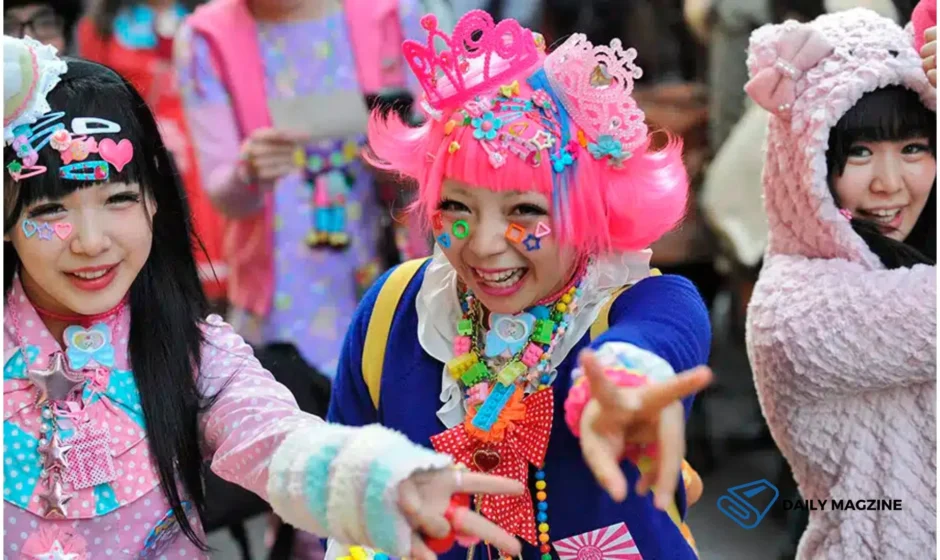
Walking through Harajuku’s streets offers an immersive experience in colorful maximalism. Young people transform themselves into walking art pieces with hair clips, bows, and character-themed accessories. Every outfit tells a unique story, challenging conventional Japanese aesthetics while celebrating individuality.
This district wasn’t just a shopping destination, it became a cultural laboratory. Teens mixed mini skirts with leggings, clashed polka dots with stripes, and created an energetic visual chaos that felt both rebellious and joyful. Through social media and fashion publications, these playful trends reached global audiences, inspiring enthusiasts from New York to London to embrace similar creative freedom.
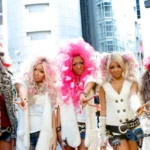
Gyaru Fashion Explained: Japan’s Defiant Style Rebellion
Inside the Decora Look: Maximalism Without Limits
Statement Accessories That Define Decora Fashion
Accessories form the foundation of this style. Unlike minimal fashion trends, Decora embraces abundance. Multiple hair clips, oversized bows, character charms, and layered bracelets transform outfits into visual celebrations. Popular characters like Hello Kitty, My Melody, and Little Twin Stars frequently appear as motifs, connecting the style to broader kawaii culture. These aren’t mere decorations, they’re essential elements that communicate personality, creativity, and playful rebellion.
Layering Techniques That Create Visual Chaos
The art of layering separates casual dressers from dedicated practitioners. Skirts over leggings, patterned cardigans over graphic tees, and multiple socks create dimensional outfits bursting with energy. Each layer contributes to the overall narrative, from cartoon-inspired graphics to neon color blocking. The key lies in achieving balance within apparent chaos every piece serves a purpose in the larger visual story.
Makeup and Hair That Complete the Aesthetic
Hair and makeup complete the transformation. Signature hairstyles include twin tails adorned with multiple clips, straight bangs, and colorful bobs. Hair often becomes the centerpiece, amplifying the outfit’s energy. Makeup stays relatively subtle but strategic glitter accents, soft blush, and doll-like features enhance the youthful, playful spirit without overwhelming the accessories and clothing layers that define the look.
Color Theory in Decora: Why Bright Always Wins
Color choices in Decora fashion aren’t random. They’re deliberate expressions of energy and optimism. Neon pinks, electric blues, vibrant yellows, and pastel hues dominate palettes, creating outfits that refuse to fade into the background. These bold selections reflect the movement’s core philosophy: visibility equals empowerment.
Decora Color Palettes by Style
| Style Type | Primary Colors | Mood & Expression |
| Pink Decora | Hot pink, baby pink, magenta | Sweet, feminine, youthful energy |
| Rainbow Decora | All spectrum colors, neon yellow, electric blue | Playful chaos, maximum joy |
| Dark Decora | Black, deep purple, dark red | Edgy mystery, gothic rebellion |
| Casual Decora | Pastel pink, mint green, sky blue | Soft approachability, everyday wear |
Strategic color selection communicates specific moods. Pink emphasizes sweetness and playfulness, while darker palettes introduce mystery and edge. By embracing vibrant combinations, practitioners set themselves apart from minimalist trends and traditional Japanese street fashion conventions.
Decora Substyles and How They Have Evolved
Major Substyle Categories
As the movement matured, distinct substyles emerged. Pink Decora celebrates ultra-feminine aesthetics with bows, plush accessories, and candy colored palettes. Dark Decora introduces gothic influences while maintaining playful layering. Casual Decora tones down accessory abundance for everyday wearability. Decora Lolita fuses Victorian elegance with chaotic maximalism, creating sophisticated yet whimsical combinations.
Popular Decora Substyles
- Pink Decora: Ultra-sweet, feminine with candy colors and plush toys
- Rainbow Decora: All colors mixed for maximum visual impact
- Dark Decora: Gothic elements with skull charms and black lace
- Casual Decora: Toned-down version for everyday wear
- Pastel Decora: Soft, dreamy colors with fairy motifs
- Decora Lolita: Victorian dresses combined with layered accessories
- Cyber Decora: LED lights and holographic elements
- Punk Decora: Studded accessories mixed with kawaii items
These variations demonstrate remarkable adaptability. Each substyle responds to cultural shifts while preserving core principles of self expression and creativity. The evolution has influenced global fashion trends, contributing significantly to the Y2K revival and maintaining relevance across multiple decades.
Emerging Modern Variations
Contemporary practitioners continue innovating with fusion styles. Cyber Decora incorporates LED accessories and holographic elements for tech-inspired aesthetics. Punk Decora blends studded details with colorful kawaii items, creating an edgy contrast. Fairy Decora fashion adds ethereal wings and glittery elements for a dreamy interpretation. These modern variations prove the style’s ongoing evolution and adaptability to current trends.
The Mindset Behind Decora: Fashion Without Rules
Beyond clothing and accessories, Decora fashion represents a philosophical approach to self-expression. It encourages creative freedom over conformity, celebrating individuality through visual chaos. By rejecting rigid style rules, practitioners push back against conventional expectations, turning fashion into personal empowerment.
Core Decora Philosophy
- Self-expression without limits or rigid rules
- Happiness through bright colors and playful designs
- Rebellion against minimalism and mainstream beauty standards
- Community acceptance and celebrating uniqueness together
- Embracing childhood nostalgia and innocent joy
- “More is more” mentality over restraint
This mindset fosters joy, creativity, and confidence. Adopting kawaii aesthetics and embracing maximalism become acts of rebellion. The philosophy explains why this movement has persisted despite changing trends, it offers something deeper than seasonal fashion, providing a platform for authentic identity expression.
From Japan to the World: Decora’s Global Influence
Digital platforms transformed Decora from Tokyo street fashion into a worldwide phenomenon. Instagram, TikTok, and YouTube enabled enthusiasts across continents to share outfit combinations, tutorials, and styling tips. International events like Japan Expo and Anime Expo provided physical spaces for community building and creative exchange.
Where Decora Fashion Thrives Today
- Instagram hashtags: #decorafashion #decorakei #harajukufashion
- TikTok transformation videos and styling tutorials
- YouTube channels dedicated to Decora outfit ideas
- Reddit communities like r/JapaneseStreetwear
- Discord servers for Decora enthusiasts worldwide
- Annual events like Online Decora Day
- Anime and Japan culture conventions globally
Western designers recognized the aesthetic’s appeal. Jeremy Scott and Moschino incorporated colorful maximalism into runway collections, validating the style in high fashion circles. Online communities continue expanding, with dedicated hashtags and virtual meetups sustaining global interest. Modern revival movements prove this isn’t mere nostalgia, it’s an evolving language of youth culture and creative identity.
Essential Elements Every Decora Outfit Needs
Building an authentic look requires understanding core components. While personal creativity drives individual expression, certain elements appear consistently across successful outfits.
Must Have Components
- Multiple hair accessories (minimum 10-20 clips, bows, or bands)
- Layered clothing pieces (combining patterns, textures, and lengths)
- Character-themed accessories (Hello Kitty, anime motifs, cartoon imagery)
- Bright color combinations (neon or pastel palettes)
- Platform shoes or colorful sneakers
- Oversized bags decorated with pins, keychains, and charms
- Jewelry stacking (multiple bracelets, necklaces, rings)
- Patterned socks or leg warmers
- Graphic tees with playful designs
- Tutu skirts or layered skirts
Success lies in balance. Too few accessories create incomplete looks, while thoughtful abundance creates visual interest without overwhelming. Experimentation remains key each practitioner develops their signature approach through trial and creative exploration.
Decora Fashion Today: Revival, Reinvention, and Relevance
Contemporary fashion witnesses renewed interest in this aesthetic. Y2K nostalgia brings younger generations to Harajuku-inspired styles, while established enthusiasts continue evolving the movement. Pop culture icons like Kyary Pamyu Pamyu channel maximalist energy into music videos and performances. Brands like Sanrio maintain commercial connections to kawaii culture, keeping core aesthetics visible in mainstream markets.
Modern interpretations blend vintage elements with current trends. Practitioners incorporate sustainable fashion principles, thrifting accessories and clothing to build unique collections. Digital communities organize virtual events like Online Decora Day, demonstrating how technology sustains traditional creative practices. The revival proves that maximalism, individuality, and joyful self-expression remain timeless values in fashion culture.
How to Start Your Decora Fashion Journey
Beginning your exploration doesn’t require expensive investments. Start with these practical steps to develop your personal style while respecting the aesthetic’s core principles.
Building Your Accessory Collection
Visit thrift stores, dollar shops, and online marketplaces for affordable accessories. Collect hair clips, character keychains, colorful bracelets, and pins gradually. Focus on variety rather than matching sets Decora fashion thrives on intentional mismatching. Look for items featuring popular characters, bright colors, and playful designs. Building your collection becomes part of the creative journey, allowing personal style to develop organically.
Budget-Friendly Shopping Guide
| Store Type | Best Items to Buy | Typical Price Range |
| Dollar stores | Hair clips, plastic jewelry, stickers | $1-5 per pack |
| Thrift shops | Layering pieces, vintage tees, bags | $3-15 per item |
| Craft stores | Beads, ribbons, DIY materials | $5-20 per project |
| Online marketplaces | Character goods, accessories in bulk | $10-30 per order |
Mastering the Layering Technique
Start with basic pieces from your existing wardrobe. Experiment with wearing skirts over leggings, adding cardigans over graphic tees, or stacking multiple socks. Practice combining different patterns and textures to understand what feels comfortable. Document your experiments through photos to track your evolution. Join online communities to share progress and receive constructive feedback from experienced practitioners.
Finding Your Color Palette
Identify which colors resonate with your personality. Pink enthusiasts might gravitate toward sweet, feminine aesthetics, while those preferring darker tones may explore gothic influences. Rainbow combinations offer playful energy, while pastel palettes create softer impressions. Test different combinations to discover your signature style. Remember that Decora fashion encourages evolution, your preferred palette may shift as you gain confidence and experience.
Decora Fashion vs Other Japanese Street Styles
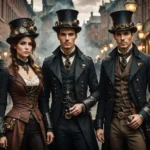
Understanding the distinctions between Decora fashion and other Japanese fashion movements helps define your aesthetic direction. While Decora emphasizes maximum accessories and chaotic layering, Fairy Kei focuses on soft pastels and 80s-90s toy nostalgia. Lolita prioritizes Victorian elegance with structured silhouettes and strict dress codes. Gyaru celebrates mature, glamorous aesthetics with tanned skin and dramatic makeup.
Key Style Differences
| Feature | Decora Fashion | Lolita | Fairy Kei |
| Accessories | Maximum (50-100+ pieces) | Elegant, minimal | Moderate (20-30 pieces) |
| Color Scheme | Bright neon, rainbow | Varies by substyle | Soft pastels exclusively |
| Overall Vibe | Chaotic joy, playful rebellion | Victorian elegance | Dreamy 80s nostalgia |
| Price Point | Budget-friendly | Expensive | Moderate |
Many modern practitioners blend elements from multiple styles, creating unique fusion aesthetics. Decora Lolita combines Victorian dresses with excessive clip layering, while Punk Decora mixes studded accessories with kawaii elements. This flexibility demonstrates the style’s adaptability and encourages personal creative expression.
Common Mistakes to Avoid When Starting Decora Fashion
New practitioners often struggle with balancing abundance and coherence. Starting with too few accessories defeats the maximalist purpose, while forgetting hair decoration neglects an essential element. Many beginners match colors too perfectly, missing the intentional clashing that defines the aesthetic. Wearing exclusively dark colors contradicts the bright, energetic foundation of Decora fashion.
Beginner Pitfalls to Avoid
- Starting with too few accessories minimum 10-15 is necessary
- Matching colors too perfectly instead of embracing intentional clashing
- Forgetting hair decoration (clips are essential, not optional)
- Wearing only dark colors without bright accent pieces
- Being too self-conscious confidence is key to pulling it off
- Copying outfits exactly instead of developing personal style
- Buying everything expensive when thrifting is authentic
- Neglecting comfort for aesthetics
- Skipping practice at home before going out
Building comfort with the style takes time. Practice wearing pieces at home before venturing out. Join supportive online communities where beginners can ask questions and share progress without judgment.
Conclusion
Decora fashion represents more than colorful clothing and abundant accessories. It embodies a philosophy of creative freedom, joyful rebellion, and authentic self-expression that originated in Harajuku and resonated globally. From Pink substyles to Dark variations, this movement demonstrates that maximalism and individuality remain powerful forces in contemporary culture.
Whether you’re drawn to vintage aesthetics or modern interpretations, this style offers endless possibilities for personal exploration. Its enduring appeal proves that fashion can serve as both art and empowerment. The streets of Tokyo sparked a revolution that continues inspiring creative expression worldwide, reminding us that true style transcends trends and celebrates the beautiful chaos of individuality.
FAQs
Q1: What is Decora fashion?
Decora is a Japanese street fashion from Harajuku featuring maximum accessories (50-100+ clips), bright neon colors, and playful layered clothing that celebrates creative self-expression.
Q2: Where did Decora fashion originate?
Decora fashion originated in Harajuku, Tokyo in the late 1990s, popularized by 6%DOKIDOKI boutique and documented by FRUiTS magazine.
Q3: What are the key elements of Decora style?
Key elements include 10-20+ hair accessories, layered clothing, character motifs (Hello Kitty), bright colors, platform shoes, and stacked jewelry.
Q4: What is the difference between Decora and Lolita fashion?
Decora fashion features chaotic maximalism with 50-100+ accessories and neon colors, while Lolita emphasizes Victorian elegance with structured silhouettes and minimal accessories.
Q5: What colors are used in Decora fashion?
Decora uses bright neon colors (hot pink, electric blue, vibrant yellow) or soft pastels, often mixing rainbow combinations for maximum visual impact.
Q6: How many accessories do you need for Decora?
A minimum of 10-15 accessories is necessary for beginners, while experienced practitioners wear 50-100+ pieces including hair clips, bracelets, and character charms.
Q7: What are the different types of Decora substyles?
Main substyles include Pink Decora (sweet/feminine), Rainbow Decora (all colors), Dark Decora (gothic), Cyber Decora (LED/holographic), and Decora Lolita (Victorian fusion).